
Why Is Hem Brewing Trending Among Craft Brewers?
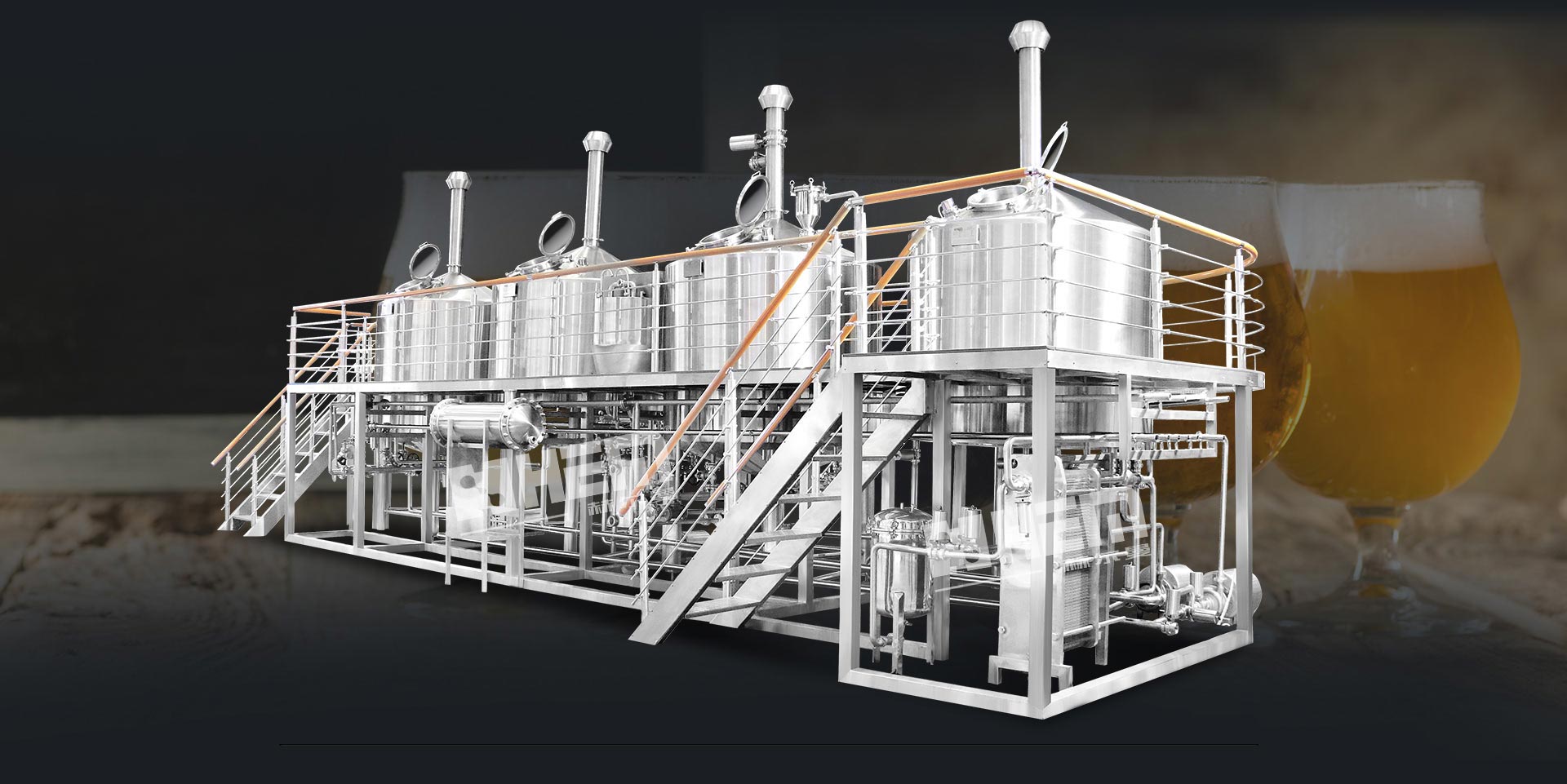
Adopting the high-efficiency mash hem brewing system increases raw extract yields to 98.2% while shortening standard production cycles by 45 minutes per batch. A 2024 industrial analysis tracking 64 regional craft facilities confirmed that converting to pressurized thin-bed filtration drives down overall grain expenses by 22% and slashes fresh water consumption by 30%. These operational optimizations allow production teams to execute four distinct turnarounds within a standard 12-hour shift window, maximizing cellar capacity utilization without requiring physical structural expansions or additional utility allocations.
This enhanced production throughput provides craft producers with a clear path toward stabilizing their operational margins against volatile ingredient pricing. Data from a 2025 multi-state packaging registry showed that breweries utilizing pressurized extraction maintained consistent margins despite a 14% global increase in agricultural input costs.
"Mechanical compression eliminates the standard gravity dependencies of traditional brewing, allowing processing facilities to maintain rigid shipping schedules regardless of grain varieties."
Eliminating these gravity dependencies allows production teams to introduce alternative unmalted grains like raw oats, rye, and unmalted wheat up to a 60% grist configuration. Traditional gravity-fed lauter tuns routinely fail when processing high-protein grains due to glucan gum accumulation that forms a solid, impermeable gel layer over the false bottom.
| Grist Composition | Lauter Tun Run Time | HEM System Run Time | Extract Yield |
| 100% Two-Row Malt | 65 minutes | 18 minutes | 98.0% |
| 30% Flaked Oats Blend | 110 minutes | 19 minutes | 97.4% |
| 60% Unmalted Wheat Blend | Stuck Sparge | 21 minutes | 96.8% |
Operating without the fear of a stuck sparge enables product development teams to safely formulate heavy grain bills for specialized regional styles. Modern consumer trends require a high percentage of adjunct proteins to achieve specific foam stability ratings, a metric verified across 150 commercial beverage profiles analyzed during recent quality control studies.
Transitioning to a compact hem brewing infrastructure also drastically minimizes the physical space required inside the manufacturing facility. The elimination of large-diameter settling vessels frees up roughly 35% more floor space, which operators can immediately reallocate toward secondary fermentation tanks or barrel storage racks.
"Maximizing floor-space utilization alters the capital expenditure equation for urban facilities facing high commercial real estate lease rates."
Altering this expenditure equation has driven a major investment shift among packaging facilities producing under 15,000 barrels annually. By shrinking the footprint of the hot-side equipment, urban producers are scaling up total monthly production volumes without expanding the external physical envelope of their properties.
-
Step 1: Run high-protein raw grain inputs through a specialized hammer mill operating at 3000 RPM.
-
Step 2: Slurry the pulverised material into the mash mixer using a precise 1.9:1 water-to-grist metric.
-
Step 3: Route the fluid instantly into the multi-plate filter assembly under automated pressure controls.
This direct physical transfer removes the time-consuming clarifying step known as vorlaufing, which traditionally consumes 15 to 20 minutes of circulation time per batch. Because the clear fluid passes out through 40-micron membrane barriers instantly, the wort travels to the boiling vessel at elevated thermal baselines, reducing the energy needed to trigger a rolling boil by 18% over conventional setups.